Selecting the Ideal General Contractor: Guidance for a Successful Home Remodel
Identifying the ideal home renovation professional is vital for a smooth home renovation. Homeowners often encounter challenges in finding competent contractors. Defining renovation goals is the first step. Following this, they must examine various sources to discover dependable contractors. Key credentials and proper communication serve vital functions in the hiring process. As homeowners embark on this journey, understanding key aspects can lead to thoughtful decisions. What comes next may shape the whole renovation process.
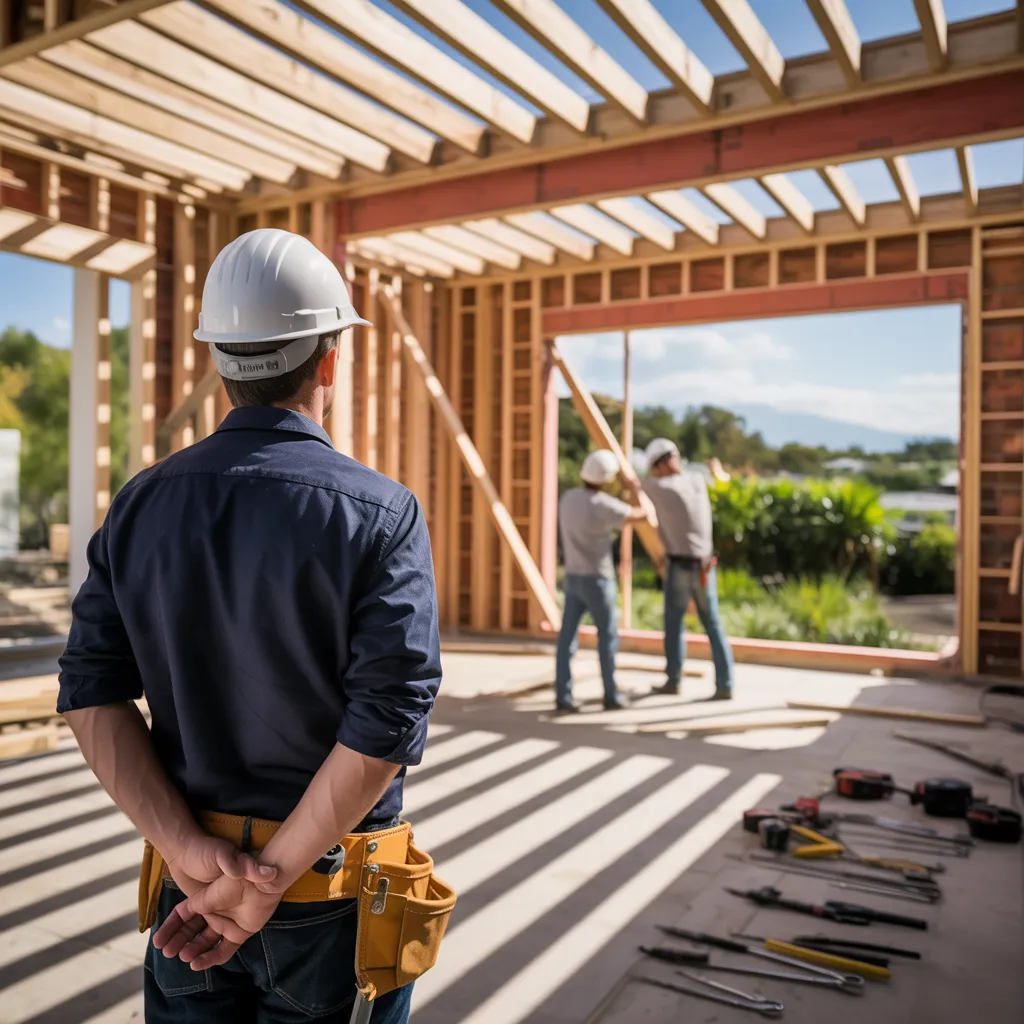
Begin by Clarifying Your Renovation Objectives
When beginning a renovation project, establishing clear objectives is essential for success. It empowers homeowners to communicate their vision effectively, prioritize needs, and allocate resources effectively. Goals should encompass not only design preferences but also operational needs, budget constraints, and timelines. By setting concrete objectives, such as expanding living space or enhancing energy efficiency, homeowners can create a focused plan that steers the complete renovation journey.
In addition, involving all stakeholders during the initial goal-setting stage confirms that each party's expectations match. This inclusive process minimizes misunderstandings and cultivates a feeling of collective direction. Ultimately, thoroughly defined renovation aims function as a strategic blueprint, enabling homeowners to reach well-considered choices and review possible contractors more thoroughly. Through creating a reliable framework with clear targets, the chance of a triumphant renovation increases considerably, resulting in a rewarding renewal of the home environment.
Where to Search for Reliable Contractors
When seeking reliable contractors, individuals often turn to digital directories and platforms that showcase reviews and ratings. Furthermore, local recommendations and referrals from acquaintances or family members give important details regarding the reliability and work quality of a contractor. Using these resources together can result in a thorough and informed hiring process.
Digital Directories and Platforms
Navigating the wide landscape of online directories and platforms can greatly ease the search for dependable general contractors. Platforms like Angie's List, HomeAdvisor, and Thumbtack enable homeowners to explore listings, examine testimonials, and evaluate scores of various contractors. These platforms often feature verified reviews, offering details about a contractor's trustworthiness and service quality. Users can filter searches based on specific needs, such as project type and budget. Additionally, many directories offer comprehensive details about each contractor's credentials, including licensure and coverage details. By utilizing these resources, homeowners can simplify their selection process, obtaining exposure to a wider pool of potential candidates while ensuring they make informed decisions when selecting a general contractor for their remodeling initiatives.
Local Suggestions and Referrals
What methods can homeowners use to locate reliable general contractors nearby? One practical strategy is to gather recommendations and referrals from the local community. Neighbors, friends, and family who have recently gone through home renovations can share meaningful feedback about their contractor experiences. Furthermore, neighborhood apps, social media groups, and local community boards frequently host conversations and recommendations about trustworthy professionals. Homeowners can benefit from stopping by local trade supply centers or hardware stores, where knowledgeable employees might point them toward contractors experienced in the region. Home improvement expos and shows present an excellent opportunity to connect with contractors face to face and collect useful details. Through the use of these community connections, homeowners can significantly improve their likelihood of securing a skilled general contractor for their home improvement endeavors.
Key Qualifications to Confirm in a General Contractor
A qualified general contractor must possess various critical credentials that reinforce confidence in their expertise. Above all else, maintaining a current license is imperative; this guarantees compliance with local regulations and standards. Furthermore, documentation of insurance coverage, encompassing liability and worker's compensation, shields both the contractor and the property owner from unexpected events throughout the remodeling project.
Moreover, a construction professional should present references from past clients, displaying their history of successful work. Certifications from established industry bodies can also reflect specialized skills or training in particular construction try this disciplines.
Moreover, it is essential to confirm that the contractor has a favorable standing with the Better Business Bureau, reflecting their trustworthiness within the area. By establishing these professional credentials, homeowners and property owners can considerably reduce potential risks associated with hiring a general contractor, paving the way for a more seamless and more successful remodeling experience.
Analyzing Contractor Estimates: Important Factors
When assessing contractor quotes, a few critical elements deserve consideration. Comparing project scope details ensures that all components of the project are included, while assessing material quality projections can reveal potential long-term costs. Moreover, a detailed analysis of completion timelines aids in establishing practical benchmarks for completing the project.
Analyze Project Scope Details
What critical elements should one consider when evaluating project scope information in contractor bids? To begin, precision in the scope outline is vital; each contractor should provide a detailed outline of tasks to be performed. Furthermore, schedules need to be explicitly outlined, including start and completion dates, as well as milestones. It is also crucial to assess labor costs and the number of workers assigned to the project, as this impacts overall efficiency. Additionally, homeowners should examine how each contractor manages possible alterations or unpredicted complications within the project parameters. Finally, being aware of payment structures and requirements can help avoid unexpected costs down the line. By focusing on these elements, residents can arrive at well-informed conclusions when picking the ideal contractor for their home improvement requirements.
Evaluate Material Quality Estimates
Assessing material quality estimates is vital for homeowners aiming to guarantee the lasting quality and visual appeal of their remodeling projects. When analyzing contractor estimates, it is vital to closely inspect the kinds of materials outlined. Superior materials may come with a higher upfront cost but can produce substantial cost savings over time through longevity and lower maintenance requirements. Homeowners should inquire about the brands and sources of the materials used, as well as any warranties offered. Additionally, it's important to understand the consequences of using lower-quality options, which might undermine the overall quality of the remodeling project. By carefully evaluating these projections, homeowners can make informed decisions that align with their budget and long-term goals.
Thoroughly Assess Timeline Proposals
A careful examination of proposed timelines is important for homeowners looking to comprehend the scope and schedule of their renovation projects. Evaluating these timelines helps identify potential bottlenecks and confirms that the contractor's vision matches the homeowner's goals. Homeowners should examine the suggested start and finish dates, as well as significant milestones throughout the project. It is also important to take into account any allowances for unanticipated disruptions, which can affect the project schedule. Transparent communication about these elements can eliminate potential conflicts in the future. Additionally, homeowners should review proposals from various contractors to determine accuracy and achievability. A well-structured timeline not only enhances project management but also cultivates a trusting relationship between both parties, creating a reliable framework for partnership.
Why Communication With Your General Contractor Matters
Effective communication with a general contractor is essential, as it lays the foundation for a successful project. Clear dialogue guarantees that both parties understand project goals, timelines, and expectations. Consistent updates and accessible channels for questions can prevent misunderstandings, minimizing the risk of costly errors.
In addition, clear communication builds a cooperative atmosphere, giving homeowners the opportunity to share their preferences and feedback. This transparency can lead to innovative solutions that correspond with the homeowner's expectations while respecting budgetary limitations.
Setting up a communication plan early on, including preferred methods and frequency of updates, can improve the working relationship. All parties involved should feel at ease navigating challenges and adjustments as they arise. In the end, strong communication not only facilitates smoother project execution but also builds trust, which is vital for navigating the challenges of home renovation projects.
How to Verify References and Past Projects
How do homeowners make certain they hire a dependable general contractor? One essential step involves checking references and reviewing previous work. Property owners should obtain a list of former clients and dedicate time to getting in touch with them. Questions should center on the contractor's dependability, craftsmanship, and commitment to schedules and costs.
In addition, homebuyers can seek out photos or videos of finished work to evaluate the contractor's style and craftsmanship. Visiting active job sites provides further insight into the contractor's organizational skills and work ethic.
Web-based reviews and ratings on platforms such as Google and Yelp can also supply useful information. Homeowners should be cautious of contractors with persistently unfavorable ratings or insufficient openness. By thoroughly vetting past work and references, homeowners can reach well-informed conclusions, reducing the chances of hiring unqualified individuals and making certain their renovation aims are fulfilled efficiently.
Vital Questions to Ask Before You Sign a Contract
False assumptions can result in expensive errors in home remodeling projects. Prior to signing an agreement with a general contractor, homeowners should pose important questions to ensure clarity and mutual understanding. First, inquire about the contractor's experience with similar projects to gauge expertise. It's vital to understand the project timeline and any potential delays. Homeowners should also ask about the payment schedule and what constitutes additional costs.
Establishing the range of services is important; property owners must be aware of exactly what is part of the agreement. Homeowners should ask for details about subcontractors and their qualifications, as this can impact the overall quality. Furthermore, understanding the guarantee on completed work can avoid problems down the line.
Furthermore, home buyers should verify the contractor's licensing and insurance to safeguard against financial risks. Such essential inquiries will support informed decisions, supporting a more streamlined home improvement project.
Questions Our Clients Often Ask
How Long Will a Standard Home Renovation Project Generally Take?
A typical home renovation can last anywhere between a few weeks to several months, based on the project's scope, complexity, and the availability of materials and contractors, significantly affecting the total duration of the project.
What Should I Do When My Contractor Exceeds the Budget?
Should a contractor surpass the agreed budget, the homeowner is advised to review the contract terms, address the reasons behind the budget excess, and work toward mutually agreeable solutions. Open communication and detailed documentation play a vital role in successfully addressing financial discrepancies.
Can I Live in My Home During Renovations?
Indeed, homeowners can continue living in their residence during renovations, but it often depends on the extent of the project. Direct communication with the construction team and anticipating disruptions are crucial to reduce disruption and maintain a safe environment.
What Should I Do if My Contractor Fails to Meet Deadlines?
If a contractor fails to meet deadlines, this can lead to delays in the project, higher costs, and possible disputes. Property owners should carefully review the contract terms and address their concerns to reach a resolution or pursue alternative measures.
How Do I Handle Disputes With My Contractor?
To address disputes with a contractor, it is important to maintain thorough documentation of all interactions, review the contract for terms, and maintain open communication. If unresolved, professional mediation or legal representation might be needed to reach a satisfactory resolution.